You are going to design a format for a patient's clinical history.
Look a this guide and in pairs design a format (and include the questions you need to ask in order to fill it out).
Next class you are going to use it in a role play
Monday, August 31, 2015
Monday, August 24, 2015
Connective Tissue
Look at this video and this other one and in your notebook draw a chart/diagram of the Classification of Connective Tissue.
Include an example of each kind of Connective Tissue.
Search the web and find the different functions of Connective Tissue, include them
Include an example of each kind of Connective Tissue.
Search the web and find the different functions of Connective Tissue, include them
Monday, August 10, 2015
The Cell
You can search the web to find information for your questionaire, example: HERE or HERE
Friday, June 5, 2015
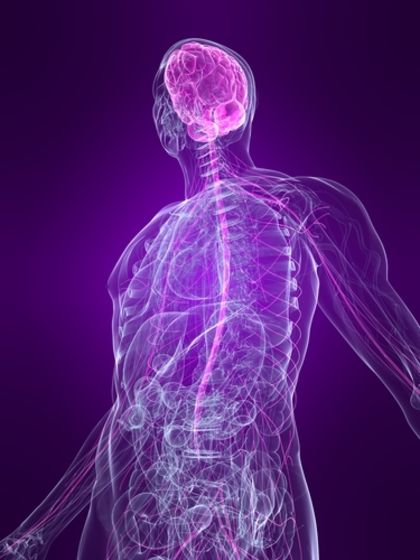
The Nervous System
Search the web and find a diagram of a neuron indicating the different parts, copy it and paste it on the same file.
Click on this link, copy the exercise on the same file, and answer it by highlighting the correct linking word.
Send the file to my e-mail with the subject: TEyourname P3WP4
Respiratory System
Go to this link, Read the article about the respiratory system on page 2, and answer the exercises on pages 2 and 3.
Click on the Pulmonary Edema Transcript (a word document will download), read the text and answer the following questions:
TRUE OR FALSE (If the answer is false, correct the sentence)
- Pulmonary Edema is caused by an accumulation of fluid in the interstitial space between capillaries and lung alveoli. The net effect is hypoxia.
- With regard to pulmonary edema the only diffusion factor that changes is diffusion distance.
- As the distance between pulmonary and capillary blood and the alveolar wall increases the rate of diffusion of oxygen and carbon dioxide also increases.
- In the cardiogenic pulmonary edema there is a decrease in the pulmonary capillary hydrostatic pressure.
- Normally there is a net inward force across the pulmonary capillary wall.
- Pulmonary edema tends to develop rapidly because of specific anatomical differences in the vascular system of pulmonary circulation.
- In general, treatment is directed at 1) increasing pulmonary hypertension and 2) reducing oxygenation of tissues.
- By breathing higher partial pressures of oxygen, the diffusion gradient between alveolar and pulmonary capillaries is increased, this facilitates increased diffusion of O2 into the blood.
TEYour Name Partial 3 WP4
Friday, May 29, 2015
The Cardiovascular System II
- Imagine you have to explain to someone what hypertension is, and its relationship with cholesterol. Write your explanation in English or Spanish. Your teacher will ask you to explain it on our next class.
- Answer the exercise on page 8 of the first article, and attach it to the file.
Friday, May 22, 2015
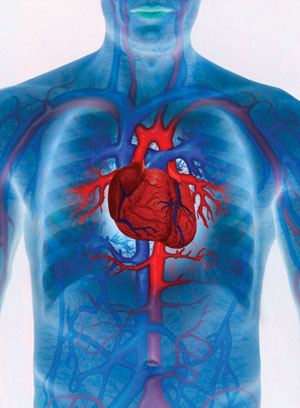
Cardiovascular System
READ THE ARTICLE ON PAGE 2 ABOUT THE CARDIOVASCULAR SYSTEM AND ANSWER THE FOLLOWING QUESTIONS (IN ENGLISH OR SPANISH):
Do the same with the exercise on page 4.
Send it to my e-mail with the subject: TEyournameP3WP2
- What elements does the cardiovascular system consist of?
- The heart is approximately the size of a _______________________.
- What is the primary function of arteries and veins?
- What is the difference in function between arteries and veins ?
- Where does the blood go in systemic circulation?
- Where does the blood go in pulmonary circulation?
- Give three examples of other subdivisions of the circulatory system.
- Why is the heart considered two-pumps-in-one?
- How many chambers does the heart have?
- What are their names?
- Name the valves of the heart and their location.
- What is the function of the valves?
Do the same with the exercise on page 4.
Send it to my e-mail with the subject: TEyournameP3WP2
Wednesday, May 20, 2015
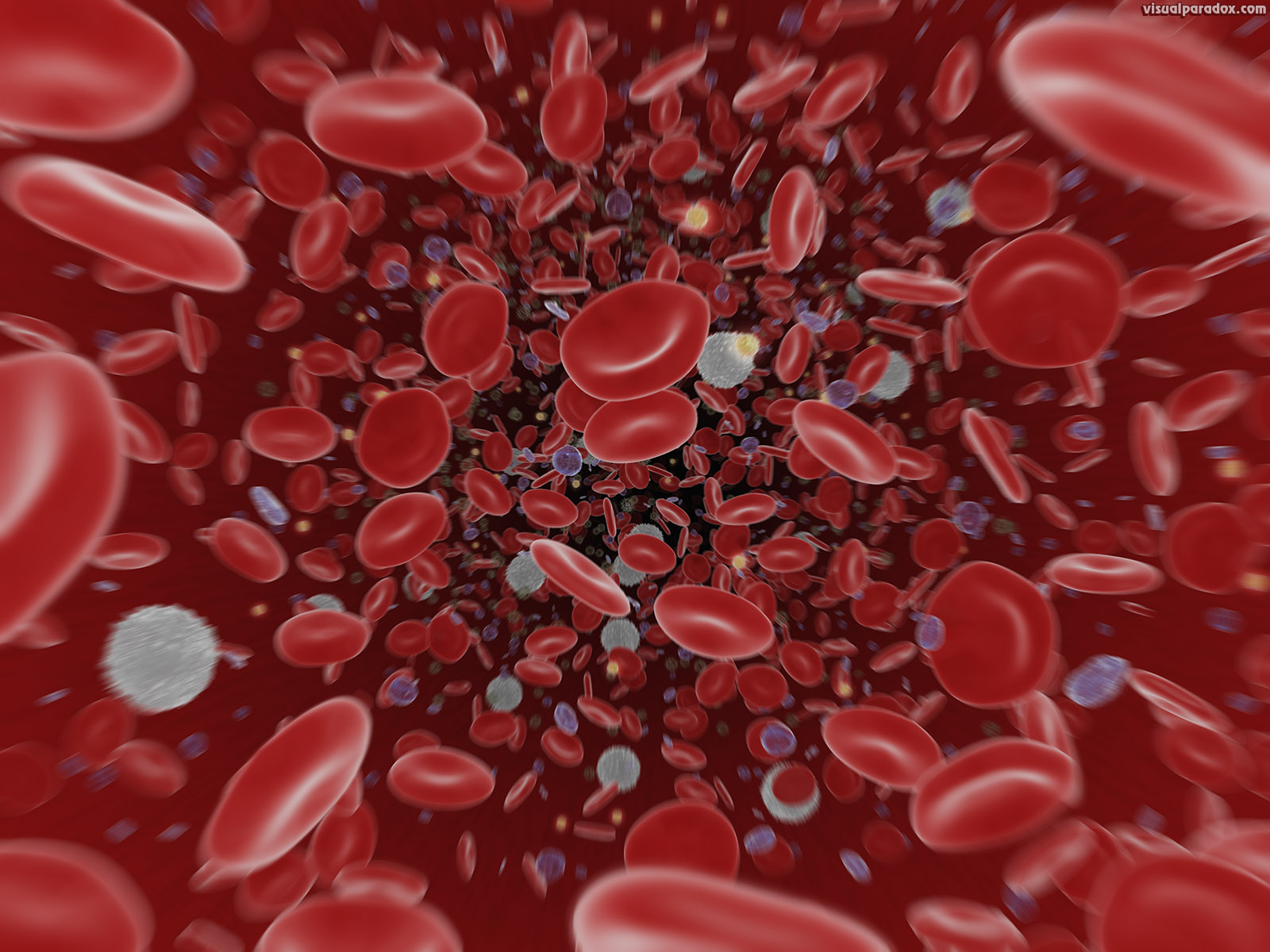
The blood
Open this document, read the explanation on page 2 and answer the following questions:
- What is the name of the non-cellular matrix of the blood?
- What is it made up?
- What are the three type of cells in the blood?
- What is the buffy coat that forms when the blood is centrifuged?
- What is the function of red cells?
- Which are the only cells in the body smaller than RBC's?
- Where are red cells produced?
- What is this process called?
- What is the average lifespan of RBC's?
- What is the function of white blood cells?
- What are the 5 subdivisions of WBC's?
- What is the role of platelets?
Now copy and answer the exercises on page 3.
The following are proteins found in blood, search the web for definitions and functions of:
Globulins
Albumins
Fibronogen
send the answers and the exercises to my e-maiñ. Subject: TE02yournameP3WP1
Friday, April 24, 2015
Units and Vital signs
Nowadays most scientists have adopted the "metric system" as universal. However, many people in English speaking countries still use the imperial system in everyday life.
You can use the Google conversion function or this link where you can see conversion tables of Area, Length, Temperature, Volume, Weight, etc.
Find out the equivalent for the following units:
- 1 mile = _______ meters, _______ Km.
- 1 meter = _______ yards.
- 1 inch = ________ cm.
- 1 foot = _______ cm.
- 1 hectare = _______ m2.
- 1 pound = _______ grams.
- 1 Kg = _______ pounds (lb).
- 1 gallon (UK) = _______ liters.
- 1 liquid gallon (US) = _______ liters.
- 1 pint (UK) = _______ milliliters.
- 1 pint liquid (US) = _______ milliliters.
- What is your height in feet and inches?
- What is your weight in pounds?
- If you need to mix 40 ounces of sugar in 1 gallon of water to prepare lemonade, how many grams of sugar will you need to prepare 2 liters?
- If an athlete needs to drink 5 liters of water to run 10 Km in a race, how many quarts does he need to drink to run 10 miles?
- If the average temperature of New York City in November is Max 54 Fahrenheit, and a Minimum of 40 what is the temperature in Celsius?
Vital Signs.
Investigate the primary four vital signs of humans:Body temperature in Celsius and Fahrenheit =
Blood Pressure =
Pulse (different ages) =
Respirtory rate =
Now check the pulse and the respiratory rate of your partner.
Send the results to my e-mail with the subject: TEyournameP2WP5
Friday, April 17, 2015
Doctor's Office
|
Match the columns
Flu
_____
Rash
_____
Nauseated
_____
Cough
_____
sore throat
_____
cut finger
_____
sprained ankle_____
big bruise
_____
back-ache
_____
cold
_____
|
a.
sore chest
b. can’t swallow
c.
can’t walk
d. purple skin
e.
can’t bend
f.
red, itchy skin
g. sneezing
h. vomiting
i.
fever and chills
j.
bleeding
|
The following are answers from a patient.
Write the questions that correspont to each one and add two more.
Age: 75 years old
Sex: female
Ht: 168 cm, Wt: 82 kg
Born in Prague, CZ
Occupation: Retired school teacher
Smokes 10 cigarettes /day
Drinks 2-3 glasses of wine / day
Sedentary lifestyle
Complains of a slight tremor in their right hand
Current medical problems: High cholesterol (25
years)
Medications: Sortis
Instructions: Fill in the blank in each sentence with “some” or “any”
1. Do you have __________ pain in your shoulders?
2. I think it will be helpful if you start doing __________ exercises.
3. __________ muscle relaxants can make you very sleepy.
4. Is there __________ one who can drive you home from the hospital?
5. Is there __________ way you can start walking about 1 km per day?
6. You need to try to find __________ time to relax. Stress is making your neck muscles stiff.
7. Do you have __________ aspirin at home? You can take it to relieve the pain.
8. If you have __________ problems with the medicine I want you to call me immediately.
9. In __________ cases recovery is complete and there are no further problems.
10. I will give you a double prescription – you can take the medicine if you have __________ future
problems.
Instructions: Match the phrasal verbs in column A with their descriptions in column B. Use a dictionary if necessary.
1. back out of
2. bear with (something)
3. blow in
4. blow over
5. brake in
6. breakdown
7. bring it off
8. bring up
9. burning up
10. call it off
11. calm down
12. catch up
13. check with me
14. close up
15. come around
16. count on
17. cut down
18. flare up
19. move on
|
A. to continue
doing something that is difficult
B. to do
something until it is comfortable (shoes) or normal
C. to relax /
to stop being excited
D. confirm
something with someone before doing it
E. to
temporarily quite or suspend some business activity
F. an
exacerbation
G. to make a
point during a conversation
H. to reduce
the quantity of something
I. to cancel
something
J. to depend
on somebody for something
K. to lose
control of ones mind
L. to
eventually believe in something
M. being very
warm or having a high temperature
N. to learn
the latest information about some topic
O. for a
problem or issue to be resolve or to pass by
P. to succeed
in doing something difficult
Q. to fail to
complete some activity
R. to visit
unexpectedly
S. to continue with some activity
|
Send all the answers to my e-mail with the subject TEyournameP2WP4
Friday, April 10, 2015
Color Your Diet
Go to this link, read the article and follow the links of the different colors to answer the following questions:
Use this alternative LINK
- Why do vegetables and fruits have different colors?
- What special nutrients do green veggies have?
- What are lycopene and resveratrol? Where can they be found?
- Name two yellow veggies.
- What are orange foods loaded with?
- Which fruit has antinflammatory subtances?
- What is an anti-aging substance?
- What is allicin? What foods contain it?
- What are vitamins?
- What are the most important minerals in our diet?
- What are antioxidants good for?
- Which foods are rich in beta-carotene? What is it good for?
- Why is avocado considered a "superstar" food?
Send the answers to the questions and both lists to my e-mail. Subject: TEYourname P2WP3
Friday, March 27, 2015
Digestive System II
- Copy and answer the following quiz .
Enteritis ____
Hemorrhoids ____
Colostomy ____
Binge ____
Achalasia ___
Mumps ____
Anorexia ____
Gastroesophageal reflux
disease (GERD) ____
Constipation ____
Bulimia (hyperphagia) ____
Stools ____
Diarrhea ____
Gastritis ____
Bolus ____
Laxative ____
Purge ____
Bowels ____
Peptic ulcer ____
Emesis ____
Chyme ____
|
a) vomiting.
b) a medicine or agent used to relieve constipation; also called a purgative.
c) brief excessive consumption of food.
d) an open from the colon through the abdominal wall.
e) inflammation of the stomach.
f) common term for feces or excrement.
g) to remove or cleanse of something, vomiting or laxatives are used to eliminate food consumed during a binge.
h) failure of a digestive sphincter to relax.
i) an unusually large and constant appetite.
j) erosion (ulcer) of the mucosa of the esophagus, stomach or duodenum caused by stomach acid.
k) viral infection of the parotid salivary gland.
l) Food has been swallowed and mixed with water and digestive enzymes, and is passing through the small intestines.
m) food that has been swallowed and has mixed with water and digestive enzymes and is passing through the small intestines.
n) inflammation of the small intestines
o) an itching, painful mass of dilated veins either just inside the anal sphincter or protruding outside the anal sphincter.
p) condition of difficult defecation caused by dry, hardened feces.
q) increased frequency and fluidity of bowel movements.
r) loss of appetite and inability to eat.
s) food that has been chewed and mixed with saliva and is ready for swallowing.
t) the intestines or part of the intestines i.e. large bowel
u) a condition in which a weak or damages lower esophageal sphincter allows the acidic contents of the stomach to reflux into the lower part of the esophagus.
|

Open the digestive system pdf document. (here)
read the article on page 7
Copy and answer the exercises about appendicitis on pages 8 & 9.
- Send the answers to my e-mail with the subject: TEyournameP2WP2
Friday, March 20, 2015
Digestive System I
each organ.
Appendix ____ ____
Common bile duct ____ ____
Duodenum ____ ____
Esophagus ____ ____
Gall bladder ____ ____
Large intestines ____ ____
Liver ____ ____
Pancreas ____ ____
Rectum ____ ____
Salivary gland ____ ____
Small intestines ____ ____
Stomach ____ ____
1. It is the first section of the small intestine where most of the chemical digestion takes place.
2. Its function is to absorb water from the remaining indigestible food matter, and then to pass useless waste material from the body
3. It is the final straight portion of the large intestine, it acts as a temporary storage site for feces.
4. It is located near the junction of the small intestine and the large intestine.
5. It is a gland organ in the digestive and endocrine system. It is both an endocrine gland producing several important hormones, including, glucagon, and somatostatin, as well as a digestive organ, secreting a juice containing digestive enzymes that assist the absorption of nutrients.
6. Glands with ducts that produce a substance that moistens food. They also secrete amylase, an enzyme that breaks down starch into maltose
7. It is the part of the gastrointestinal tract following the stomach and followed by the large intestine, and is where much of the digestion and absorption of food takes place.
8. The conduction of bile is the main function of this structure.
9. It is a small organ that aids mainly in fat digestion and concentrates bile produced by the liver.
10. It is a vital organ that has a wide range of functions, including detoxification, protein synthesis, and production of biochemicals necessary for digestion
11. It is a muscular, hollow, dilated part of the alimentary canal which functions as an important organ of the digestive tract. It is involved in the second phase of digestion, following mastication (chewing).
12. It is an organ in which consists of a muscular tube through which food passes from the pharynx to the stomach.
Read the article on page 2 of this link and answer the exercise on page 3.
Go to page 6 of the same document, write the definition and Spanish translation of the following terms...
Anorexia, Binge, Bolus, Bulimia, Chyme, Constipation, Diarrhea, Emesis, Gastroenteritis, Jaundice, Mumps, Purge, Tarry stools.
Send the file to my e-mail with the name: TEYour name, Partial 2 WP1
Friday, March 6, 2015
Ligaments and Tendons
Read the information below, write a summary of it using your own words (it can be either in English, or Spanish). Then copy and paste the exercise at the bottom, and send both to my e-mail. Subject: TEyournameP1WP4
Ligaments:
OLigaments are
stretchy bands of tissue that, in most cases, hold one bone to another. They
are a key part of what allows most joints to move, help control their range of
motion, and stabilize them so that the bones move in proper alignment. Some parts
of the peritoneum, the membrane that surrounds the abdominal cavity, are also
called ligaments although they perform a different function.
OThe
composition of these fibers allows them to stretch
significantly when they move, such as when the elbow is bent or straightened.
Collagen fibers are often arranged in crossing patterns, which helps prevent
the joint from moving past its normal range of motion despite the ligament's
flexibility.
Ligaments:
OLigaments are
stretchy bands of tissue that, in most cases, hold one bone to another. They
are a key part of what allows most joints to move, help control their range of
motion, and stabilize them so that the bones move in proper alignment. Some parts
of the peritoneum, the membrane that surrounds the abdominal cavity, are also
called ligaments although they perform a different function.
OStructure
OProteins
known as collagen make up the tissue in most ligaments. Groups of these
proteins form long, flexible, thread-like strands, or fibers.
OThe
composition of these fibers allows them to stretch
significantly when they move, such as when the elbow is bent or straightened.
Collagen fibers are often arranged in crossing patterns, which helps prevent
the joint from moving past its normal range of motion despite the ligament's
flexibility.
TENDONS
A tendon is a tough
yet flexible band of fibrous tissue. The tendon is the structure in your body
that connects a muscle to a bone
.
Difference between Tendons and Ligaments:
OTendons
connect muscle to bone. These tough yet flexible bands of fibrous tissue attach
the skeletal muscles to the bones they move. Essentially, tendons enable you to
move; think of them as intermediaries between muscles and bones. You've most
likely heard of the Achilles tendon (named after the Greek demigod hero with
the fatal weakness in his eponymous tendon), which connects the muscles of the
calf to the heel bone. This tendon is vulnerable to tearing and tendonitis, so
do take care and stretch the calf muscle to keep the tendon flexible too.
OThough
similar to tendons, ligaments connect bone to bone and help to stabilize joints
they surround. They are composed mostly of long, stringy collagen fibers that
create bands of tough, fibrous connective tissue. Ligaments are slightly
elastic, so they can be stretched and gradually lengthen, increasing
flexibility. But if stretched beyond a certain point, ligaments can become
overstretched and compromise the integrity of the joint they are supposed to be
stabilizing — so stretch with caution. The term double-jointed actually
refers to people who have highly elastic ligaments, which allow them to move
their joints into more extreme positions than most people. While no ligament
plays a major role in Greek myths, the ligaments found in the knee, especially
the ACL (anterior cruciate ligament), are often talked about on the sports
page, since they are prone to tearing, sidelining quarterbacks, soccer stars,
and skiers alike.
ANSWER THE FOLLOWING EXERCISE:
Common Names
1. funny bone
_____
2. knee cap_____
3. collar bone
_____
4. hip bone
_____
5. thigh bone
_____
6. jaw bone
_____
7. ankle bones
_____
8. heel bone
_____
9. wrist bones
_____
10. cheek bone
_____
11. shoulder blade
_____
12. breast bone
_____
13. shin bone
_____
14. tail bone
_____
Latin Based Names
A. calcaneous
B. carpals
C. clavicle
D. coxal
E. coccyx
F. femur
G. mandible
H. medial malleolus
of the tibia or lateral malleolus
of the fibula
I. olecranon process
of the ulna
J. patella
K. scapula
L. sternum
M. tibia
N. zygomatic
Subscribe to:
Posts (Atom)